
Recent Blogs
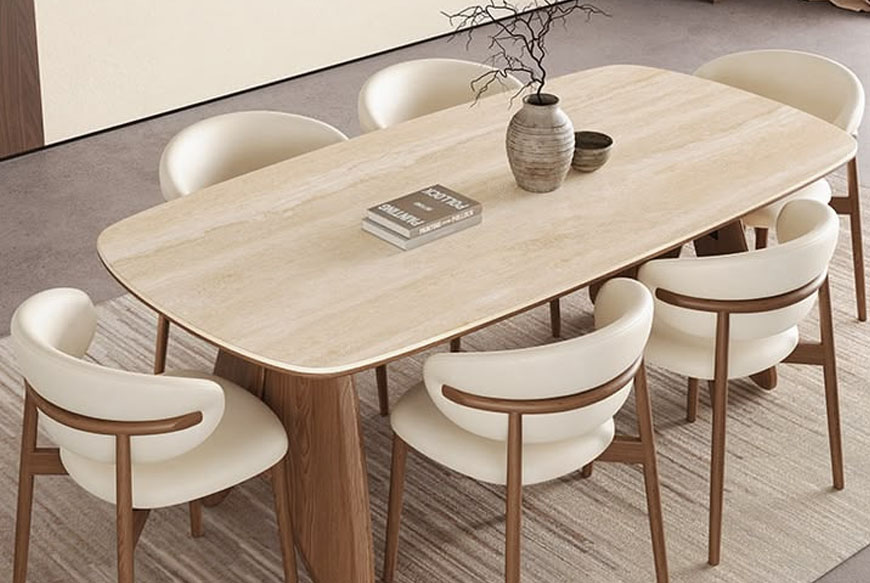
Choosing the Right Dining Table for Your Family
22 November 2024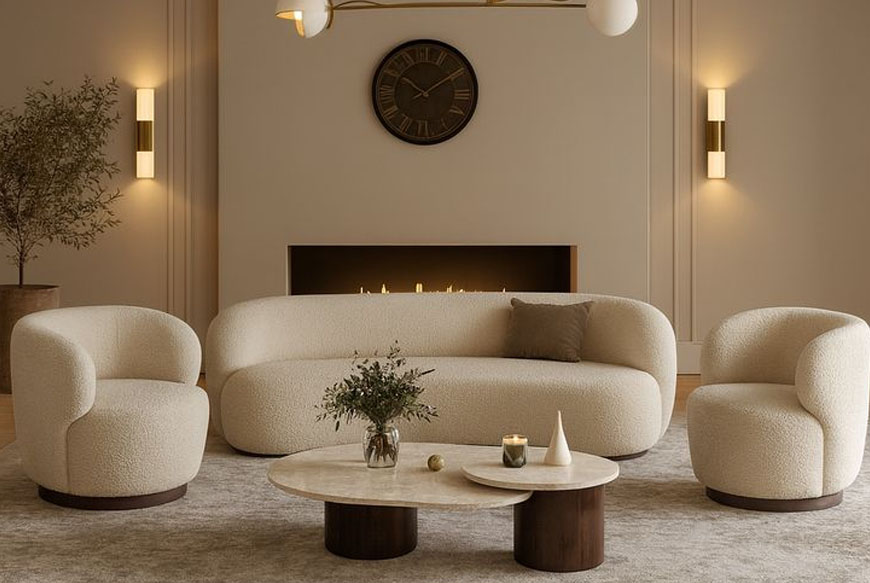
How to Take Care of Your Furniture: A Comprehensive Guide
16 November 2024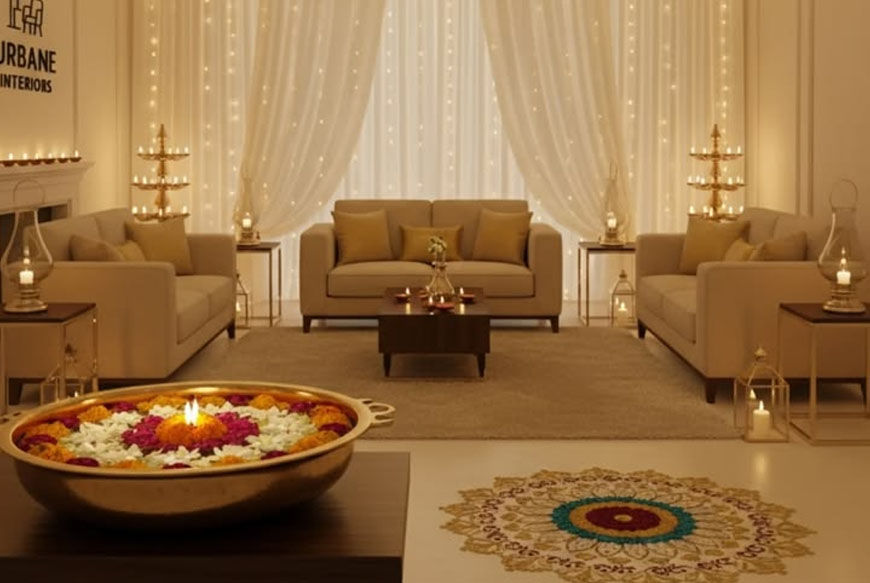
Post Diwali Interior Makeover smart buying
10 November 2024
Shopping Tips for First Time Furniture Buyers
28 October 2024
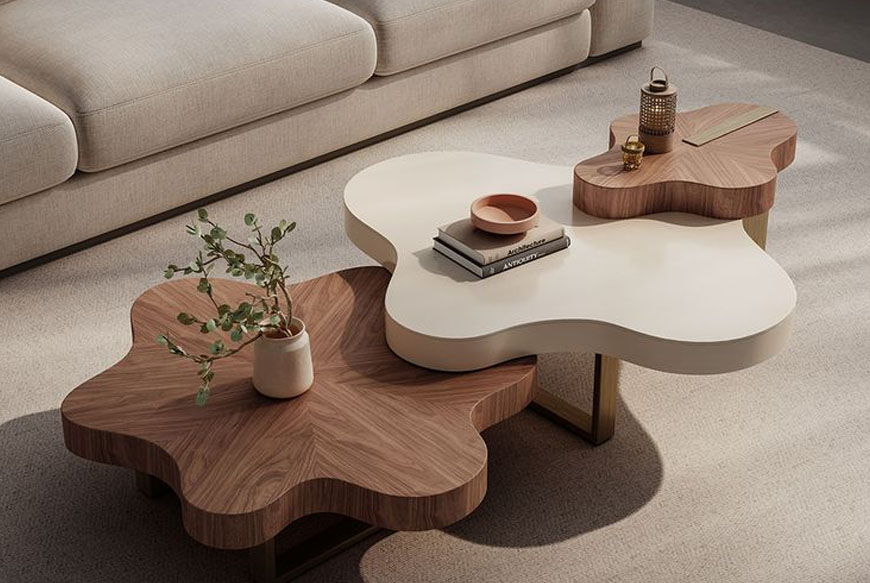
Your living room furniture
23 October 2024
Your living room furniture
Your living room is more than just a gathering space—it's a reflection of your personality, lifestyle, and design preferences. Whether you prefer classic elegance, modern simplicity, or something uniquely your own, the right furniture can help create a space that is both stylish and welcoming.
From relaxing with family to entertaining guests, today's living room furniture offers the perfect blend of comfort, functionality, and design. Whether you're a growing family looking for practical solutions, a couple seeking timeless sophistication, or someone with a flair for distinctive décor, there's a living room style to suit every taste and budget.
Traditional Style
- Characteristics: Elegant craftsmanship, intricate carvings, decorative details, and luxurious fabrics.
- Inspiration: Influenced by classic European interiors from the 18th and 19th centuries, known for their timeless beauty and sophistication.
- Popular Examples: Queen Anne, Victorian, and Baroque-inspired furniture designs that bring warmth, charm, and grandeur to any living space.
Modern Style
- Characteristics: Clean lines, minimalist aesthetics, neutral color palettes, and a strong focus on functionality.
- Inspiration: Rooted in the modernist design movements of the early and mid-20th century, emphasizing simplicity and practicality.
- Popular Examples: Scandinavian and Mid-Century Modern furniture styles, known for their sleek appearance, comfort, and timeless appeal.
Contemporary Style
- Characteristics: Sophisticated, trend-inspired designs featuring smooth surfaces, soft curves, and uncluttered spaces.
- Inspiration: Influenced by current interior design trends and continuously evolving to reflect modern lifestyles.
- Common Materials: Glass, metal, natural textures, and neutral-toned fabrics that create a refined and elegant living environment.
Industrial Style
- Characteristics: A bold and functional design approach featuring raw materials, exposed structures, and an urban-inspired aesthetic.
- Inspiration: Draws influence from old factories, warehouses, and industrial spaces, celebrating their unfinished charm.
- Popular Elements: Exposed metalwork, reclaimed wood furniture, visible piping, concrete finishes, and vintage Edison-style lighting.
Rustic Style
- Characteristics: Warm, inviting interiors that emphasize natural materials, organic textures, and a relaxed, lived-in atmosphere.
- Inspiration: Inspired by countryside homes, farmhouses, and nature-focused living.
- Popular Elements: Distressed wood, barn-style doors, stone accents, handcrafted furniture, and earthy color palettes that create a cozy environment.
Bohemian (Boho) Style
- Characteristics: Creative, vibrant, and free-spirited, featuring an eclectic mix of colors, patterns, and textures.
- Inspiration: Influenced by cultures and artistic traditions from around the world, particularly Morocco, India, and South America.
- Popular Elements: Woven décor, indoor plants, layered rugs, handcrafted accessories, colorful textiles, and unique statement pieces that showcase individuality and personal expression.
Minimalist Style
- Characteristics: Clean lines, simple forms, and a clutter-free aesthetic built around the philosophy of "less is more."
- Inspiration: Influenced by Japanese design principles and Scandinavian simplicity, focusing on balance and tranquility.
- Focus: Prioritizes functionality, open spaces, and essential furnishings with minimal decorative elements.
Art Deco Style
- Characteristics: Sophisticated and glamorous, featuring bold geometric patterns, sleek finishes, and luxurious details.
- Inspiration: Inspired by the elegance and opulence of the 1920s and 1930s.
- Popular Elements: Glossy surfaces, lacquered finishes, chrome accents, rich materials, and touches of gold that add a sense of luxury and refinement.
Coastal Style
- Characteristics: Bright, airy interiors that create a relaxed and refreshing atmosphere inspired by the seaside.
- Inspiration: Draws from coastal living and beachside retreats, emphasizing comfort and natural beauty.
- Popular Elements: Whitewashed wood, soft pastel shades, natural textures, rope accents, and light fabrics that bring a breezy, ocean-inspired feel to the space.
Transitional Style
- Characteristics: A harmonious blend of traditional elegance and modern simplicity, creating a timeless and balanced aesthetic.
- Materials: Features neutral color palettes, comfortable fabrics, and a combination of wood, metal, and other contemporary accents.
- Appeal: Known for its versatility, transitional design easily adapts to a wide range of preferences, making it a popular choice for both classic and modern homes.
While each interior style has its own unique character, they can also be combined to create a personalized space that reflects your individual taste and lifestyle. Mixing elements from different styles allows you to design a home that feels distinctive, comfortable, and truly your own.